

Clear Views, Safer Homes: Practical Insights for Window Washing Success
1. Routine matters more than you think
In regions with heat, dust, and shifting weather patterns, glass collects film fast. Establishing a seasonal plan for WINDOW WASHING keeps panes from developing stubborn buildup that can etch surfaces over time. Consistency also reduces the effort needed per visit, since lighter soil lifts more easily than a year’s worth of grime. A practical rhythm is to pair exterior cleanings with major yard or outdoor upkeep, and schedule interiors after high-traffic holidays or home projects. This cadence helps maintain clarity without disrupting everyday life.
2. Technique beats force on fragile glass
Pressing harder rarely produces better results. The smartest WINDOW WASHING relies on tools and sequence, not muscle. Start with a dry dust-off to remove abrasive grit. Pre-soak with a gentle, residue-free solution, and guide a well-maintained squeegee in steady, overlapping passes. Finish edges and corners with a lint-free detailing cloth to prevent drips and lines. When screens are present, handle them first so loosened dust doesn’t jump back onto freshly cleared glass.
3. Safety is the foundation of great results
Clear windows should never come at the cost of risky practices. Choose steady, level footing and use properly rated ladders with stabilizers when working at height. Keep tools secured and avoid leaning past safe reach. For interiors, protect floors with clean drop cloths and move small obstacles before starting. Exterior work calls for awareness of landscaping, uneven surfaces, and overhead utilities. Thoughtful setup prevents mishaps and preserves both property and peace of mind.
4. Water quality decides the finish
Mineral-heavy water leaves spots that dull the final look. In many neighborhoods, untreated hose water dries with visible marks. Effective WINDOW WASHING accounts for this by using clean, low-residue solutions and mindful rinsing habits. When possible, dry glass before the sun speeds evaporation. For persistent mineral issues, consider a squeegee-only approach followed by a gentle buff with a microfiber cloth. The goal is a streak-free surface without leftover deposits that reappear at the first light.
5. Frames, tracks, and seals deserve equal attention
Shining panes can still look tired if frames and tracks are ignored. Begin by brushing or vacuuming tracks to lift grit that grinds under window movement. Wipe frames with a mild cleaner suitable for the material—painted wood, vinyl, aluminum, or fiberglass—and avoid saturating porous surfaces. Inspect seals and weatherstripping while you work. Preventing moisture intrusion and friction saves energy and reduces repair costs, making each cleaning a quick health check for the entire assembly.
6. Interior clarity starts with prep
Inside the home, preparation is half the job. Open shades fully, remove desk items or decor near sills, and clear pathways to each window. This streamlines the process and protects belongings from overspray or accidental contact. Keep pets comfortably away from work zones to reduce stress for everyone. A tidy setup shortens the overall time and leads to more thorough cleaning, especially around intricate muntins or specialty glass.
7. Seasonal realities shape the plan
Spring often brings pollen layers; summer adds dust; fall delivers leaf debris; winter can leave condensation marks. Tailor WINDOW WASHING frequency and products to these shifts. During pollen peaks, lighter, more frequent sessions prevent yellow haze from sticking. In drier months, static dust benefits from gentle pre-dusting to minimize streaks. When temperatures fluctuate, allow glass to acclimate before applying solution to avoid rapid drying or fogging.
8. Preservation builds curb appeal and comfort
Clean windows brighten interiors, sharpen outdoor views, and support a welcoming exterior. Regular WINDOW WASHING also protects the glass and surrounding components from wear caused by grit and residue. Over time, the habit enhances natural light, elevates mood, and helps reveal minor issues—like sealing gaps or track obstructions—before they grow into larger headaches. A sensible, safety-first approach turns a simple task into a long-term home improvement strategy.
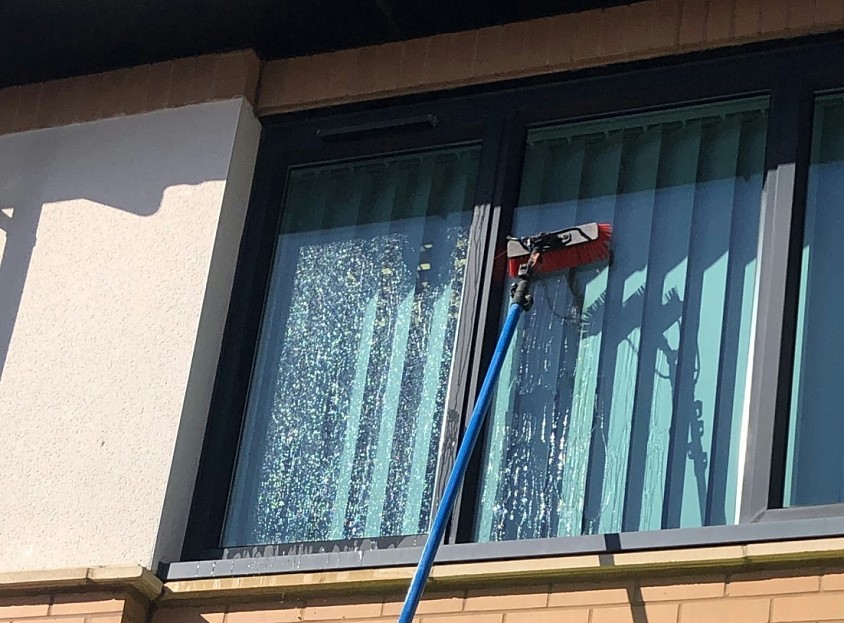
Clear Views in North Texas: Practical Care Tips and solar panel cleaning plano Considerations
Windows take the brunt of North Texas weather, catching dust, pollen, and mineral-heavy mist that dulls glass and frames. A thoughtful approach to maintenance protects curb appeal and extends the life of sills, screens, and seals. The following guide shares practical insights for homeowners who want streak-free transparency, safe methods, and efficient routines tailored to local conditions, including timing recommendations and care steps for frames, tracks, and exterior fixtures.
1. Schedule cleanings around pollen and dust cycles
Seasonal winds and frequent lawn care kick up fine particles that cling to exterior glass. Plan exterior cleanings more frequently during high pollen stretches and after windy periods. Interior panes typically need fewer visits, but watch for HVAC drafts that pull dust toward glass. Coordinating your routine with the local forecast keeps buildup manageable, reduces scrubbing time, and helps prevent abrasive grit from etching delicate coatings.
2. Choose the right solution for glass and frames
Mild, residue-free glass cleaners paired with pure water or deionized rinses help avoid streaks. For frames and tracks, use a gentle soap solution and non-scratch brushes. Avoid harsh chemicals that can discolor vinyl, dull aluminum, or lift paint from wood. Rinse frames thoroughly before tackling the glass so dirty runoff doesn’t streak completed panes. A microfiber detail pass at the end catches fine haze and revives clarity.
3. Prioritize ladder safety and tool reach
Many streaks come from overreaching rather than poor technique. Use extension poles with swivel squeegee heads to reach high panes safely. If a ladder is required, place it on firm ground, keep three points of contact, and move the ladder instead of leaning. For multi-story work, expand your tool kit with lightweight poles, angle adapters, and brush attachments designed to protect glass edges and tight corners.
4. Protect seals, screens, and tracks
Healthy weatherstripping and weep holes help regulate moisture and airflow. Clear debris from weep channels, then vacuum tracks before washing. Remove screens and rinse them gently from the exterior side to lift embedded dust without warping the mesh. Allow everything to dry fully before reinstallation. Clean, dry components reduce fogging, discourage mildew, and enhance window performance through seasonal temperature swings.
5. Time your work to shade and temperature
Direct sun speeds evaporation and can trap cleaner residue, leaving streaks. Work in the shade or during cooler morning and evening windows. If sun exposure is unavoidable, switch to smaller sections and use a slightly drier squeegee technique. On hot days, keep towels and squeegees fresh, as contaminated tools can redeposit grime even after a thorough wash.
6. Address hard water and mineral spotting
Sprinkler overspray and hose rinses often leave mineral rings. Tackle fresh spots promptly with a glass-safe cleaner before they cure. For stubborn haze, use non-abrasive mineral removers designed for architectural glass, testing in an inconspicuous corner first. Pair restoration work with simple prevention: redirect irrigation heads away from windows and consider drip lines to cut down on overspray.
7. Include rooftop fixtures in your exterior plan
Panels, skylights, and sun tunnels collect similar debris as windows. Integrating routine care for these surfaces preserves performance and appearance. In particular, homeowners interested in energy efficiency often explore professional services for panels; scheduling dedicated care such as solar panel cleaning Plano alongside exterior window service can streamline maintenance and support consistent output. Always emphasize gentle methods and soft water to protect delicate coatings.
8. Make maintenance a habit, not a project
Small, regular tasks beat occasional marathons. Keep a caddy with microfiber cloths, a scraper with a protected blade for paint flecks, a pump sprayer, and a compact squeegee for quick touch-ups. Rotate through sections of the home monthly, then complete full cleanings seasonally. Document what works for each window type so you can repeat successful methods and avoid rework.
A steady, safety-focused routine preserves glass clarity, protects finishes, and elevates the look and feel of your home. With the right tools, mindful timing, and a plan that accounts for local conditions, windows and exterior fixtures stay bright, efficient, and ready for every season.